
Journal · 2026-11-03 · 5 min read
A solarpunk future is not imported
In India, a meaningful solarpunk practice has to begin with local knowledge, existing commons and the people already caring for them.
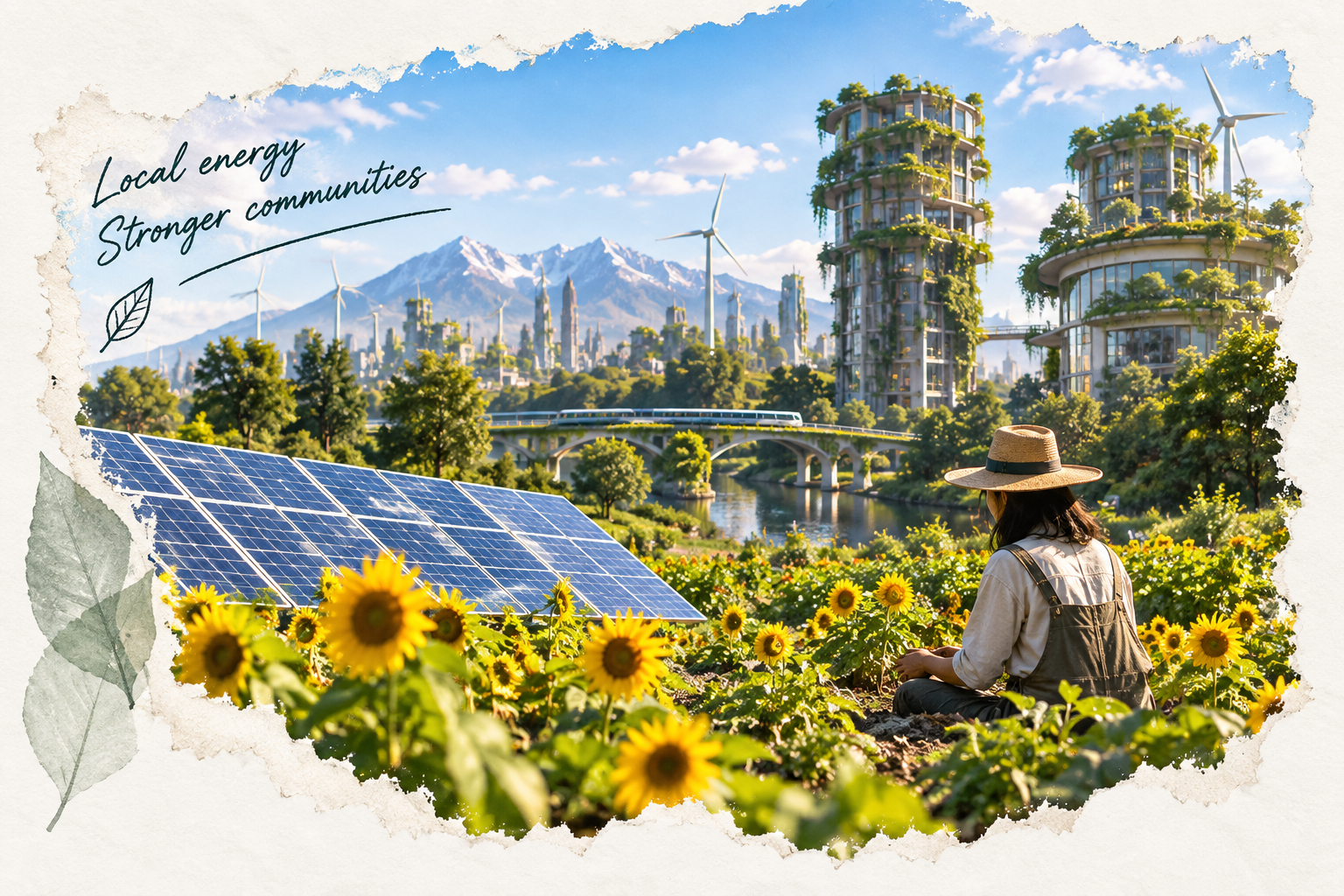
Solarpunk can become empty if it is treated as a universal visual package: glass towers, planted balconies and imported gadgets. Places do not need a future pasted onto them. They need room to build from their own histories, constraints and forms of expertise.
The Deep Research highlights Bengaluru’s lakes as a useful warning. Urban ecological commons have supported fishing, grazing, farming and groundwater recharge. When restoration is reduced to beautification, traditional users can be excluded even while a place becomes greener in photographs. Environmental improvement without justice is not the transformation solarpunk promises.
There are also practical examples of another route. Recharge wells, rainwater harvesting and the knowledge of well-digging communities can connect older water practices to present urban challenges. That is not nostalgia. It is a reminder that resilient technology may be distributed, repairable and socially embedded long before it becomes fashionable.
SolarpunkWorks is an Indian company with a global audience. That means listening before importing a story about progress. We can learn from international research, share open knowledge and build digital tools, while remaining careful about whose knowledge is credited, who has access and who benefits.
A future worth building should feel native to the people who live in it.
Further reading
These sources informed this note. They do not independently verify claims about SolarPunkWorks products.
— SolarPunkWorks Pvt Ltd